
Lottery History | How a Simple Idea Became a Global System
Lotteries today are often seen as structured games with clear rules and regulation, but their story stretches far beyond modern systems. Understanding lottery history helps explain why this concept has remained relevant across cultures, governments, and centuries.
At its core, the lottery was never just about chance. It was a practical solution used by societies to distribute resources, fund public projects, and manage participation in a fair and transparent way. Many of these early ideas can still be seen in how lottery systems function today.
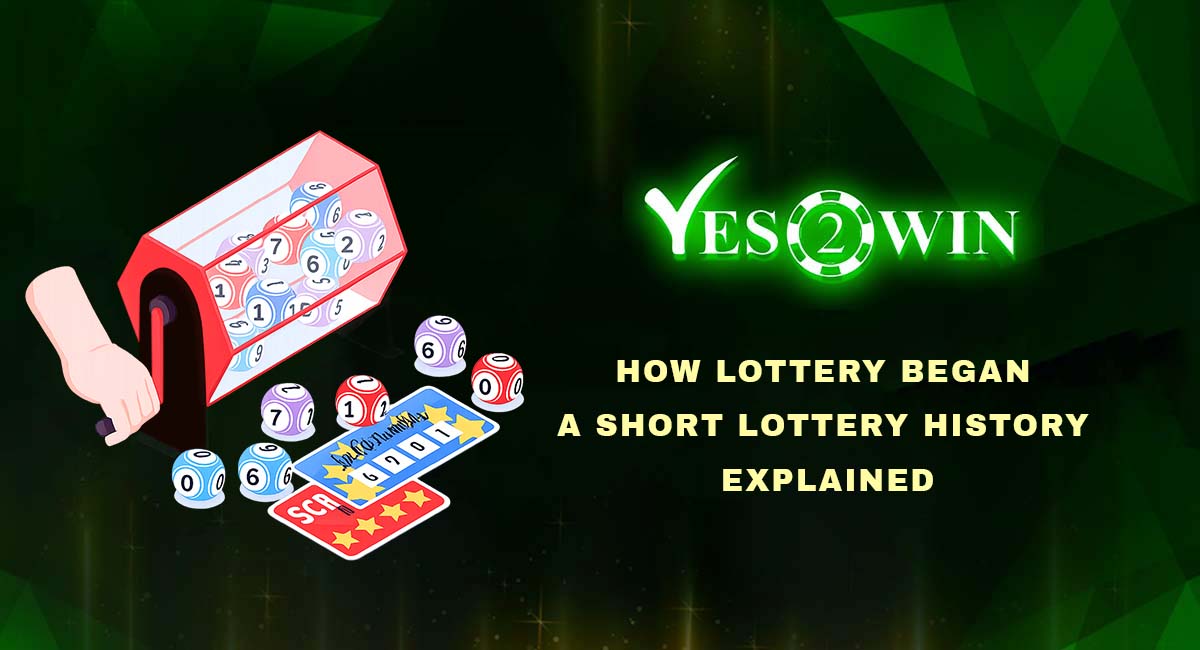
For readers interested in exploring this topic further, Yes2win has a related blog article that looks more closely at how lottery systems developed and how they are understood in modern contexts.
The Origin of Lottery in Early Societies
The origin of lottery can be traced back thousands of years. Early records show that ancient civilizations used lottery-style methods to allocate land, assign duties, or raise funds without relying on force or taxation.
In ancient China, lottery-like systems were used to support large public projects. In the Roman era, lotteries appeared during public events, where prizes were distributed through random selection. These early forms were simple, but the underlying principle was clear: randomness created perceived fairness.
Rather than encouraging excess, early lotteries were often tied to responsibility and contribution, serving a purpose beyond entertainment.
Lottery History in Public Funding and Governance
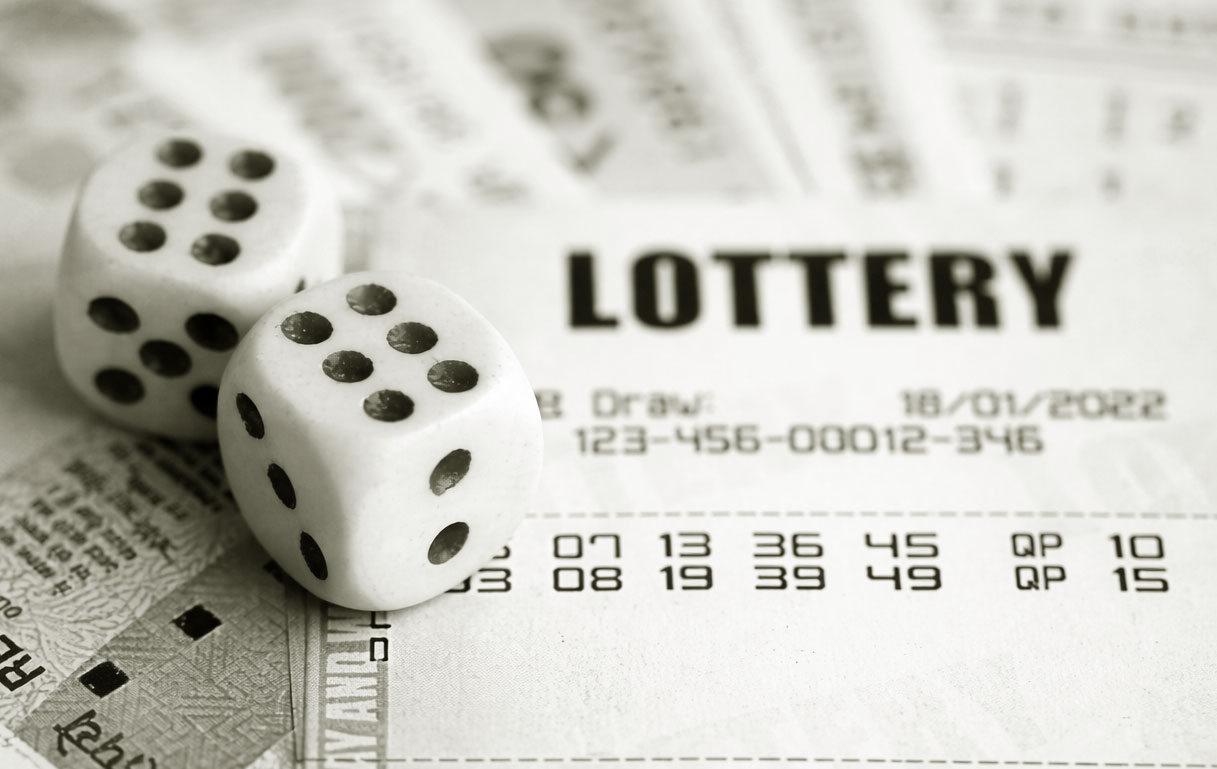
As societies grew more complex, lottery systems evolved alongside governments. This stage of lottery history marked a shift from informal draws to organized systems supported by authorities.
European governments began using lotteries to fund infrastructure, including roads, bridges, and public buildings. Because participation was voluntary, lotteries offered an alternative to raising taxes, making them socially acceptable tools for public finance.
Over time, transparency and record-keeping became essential, helping lotteries gain public trust and long-term adoption.

When Lottery Systems Became Regulated
With wider participation came the need for structure. Regulations were introduced to prevent abuse, ensure fairness, and protect participants. This period defined the transition from traditional draws to officially recognized lottery systems.
Rules around ticket distribution, prize allocation, and oversight helped standardize operations. Regulation also separated legitimate lotteries from informal or exploitative practices, reinforcing their role as public institutions rather than private schemes.
This shift laid the foundation for modern lottery frameworks seen today.
From Paper Draws to Modern Lottery Systems
Advancements in technology changed how lotteries operate, from manual draws to digital platforms, while core principles like randomness and regulation remained unchanged. Modern systems are built to be secure, auditable, and transparent.
Platforms such as Yes2win reflect this evolution by offering a structured and regulated environment. Users who wish to explore how modern lottery systems work can log in or register on our platform!